
Patient Safety
Who is operating on you, where, and what happens if something goes wrong.
Most cosmetic surgery marketing avoids this subject. It is the subject that matters most. Ask the questions below at every clinic you consider, including this one.
Who is operating
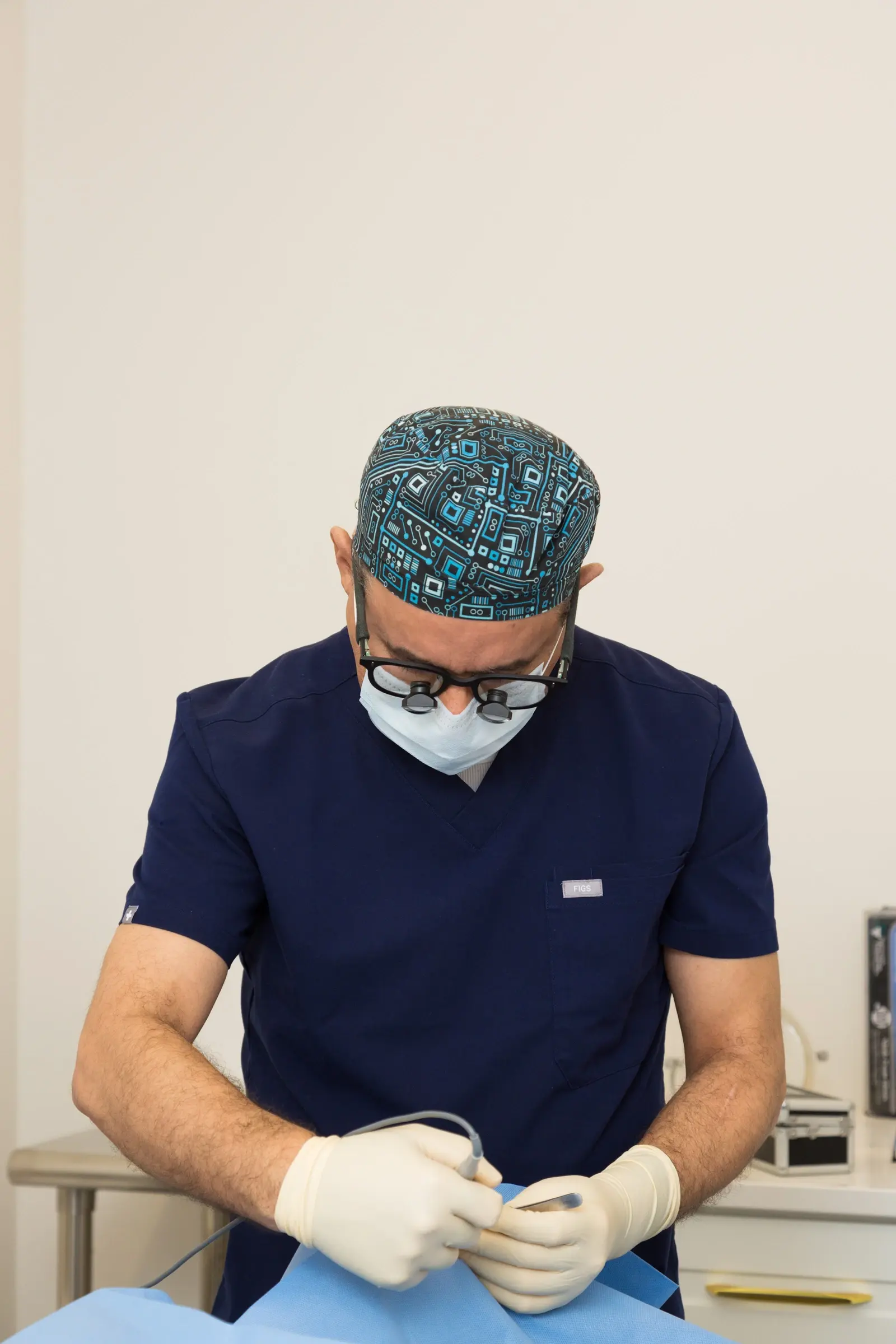
The surgeon who assesses you is the surgeon who operates.
You will not meet one person at the consultation and find someone else in the room. Every surgical patient here is assessed and operated on by Dr. Kamal Tumi.
His registration is public, and you can search it on the College of Physicians and Surgeons of Ontario website. Anyone operating on you should be verifiable that way, and if they are not, that is the answer to your question.
- Dr. Kamal Tumi, M.D., F.R.C.S.(C), certified by the Royal College of Physicians and Surgeons of Canada as a specialist in plastic surgery
- Specialist training at McMaster University, and a plastic surgery fellowship at the University of Toronto
- More than 28 years in practice, and over 3,500 surgeries
- Consultant plastic surgeon at Royal Victoria Regional Health Centre in Barrie since 2004

Where procedures are performed
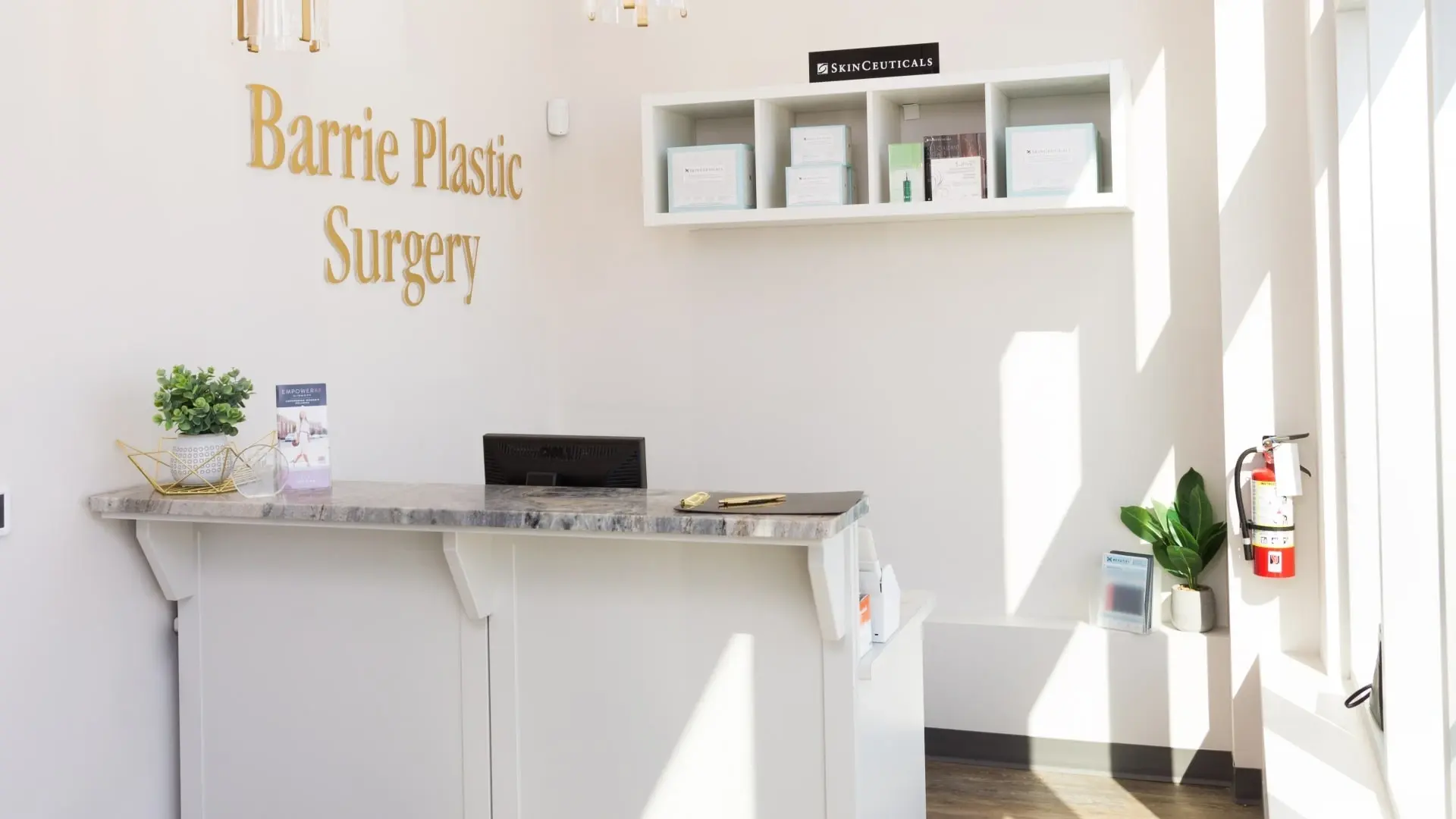
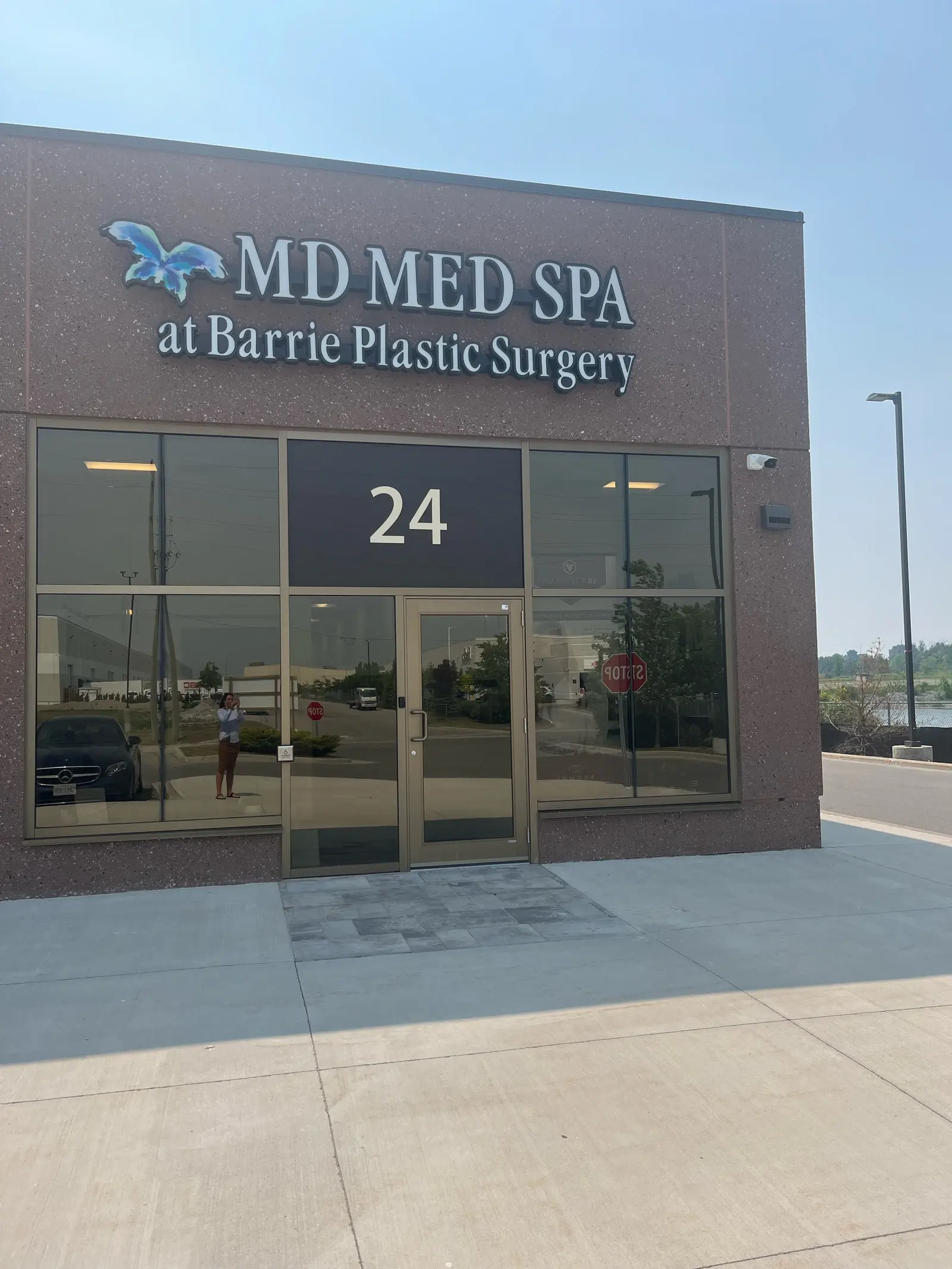
In our own office, or in an operating room
Ask any surgical practice where your procedure will take place. A clinic that will not answer that plainly has told you something.
Some procedures are done right here in our office, with local anesthetic only. Upper eyelid surgery is one of them. There is no general anesthetic and no operating room to book.
Larger procedures are booked in an operating room. Which setting applies to you is confirmed at your consultation.
Since 2004 he has been a consultant plastic surgeon at Royal Victoria Regional Health Centre in Barrie. A hospital appointment means his credentials and his work are reviewed by other surgeons. It also means a complication is managed by the surgeon who operated on you, and you are not sent to someone who has never met you.
Being told no
“I will not do a surgery on you if you do not need it.”
That is Dr. Tumi's own line, and it has a practical meaning. Where a smaller procedure would achieve what you want, you are offered the smaller one. Where nothing surgical would help, you are told so rather than moved on to something else. The most under-rated safety feature of a surgical practice is a surgeon willing to decline. Being told no is not a failed consultation. It is the system working.
Risk, preparation and recovery
What you are told, before and after surgery
Every surgical procedure carries risk. Anyone who implies otherwise is selling something.
Step 01 · Risk
Risk
Every operation shares a set of common risks. They include bleeding, infection, poor scarring, changed sensation, a result you are not happy with, and the risks of the anesthetic. Each procedure also has risks of its own. Those are set out at the consultation for the procedure you are considering.
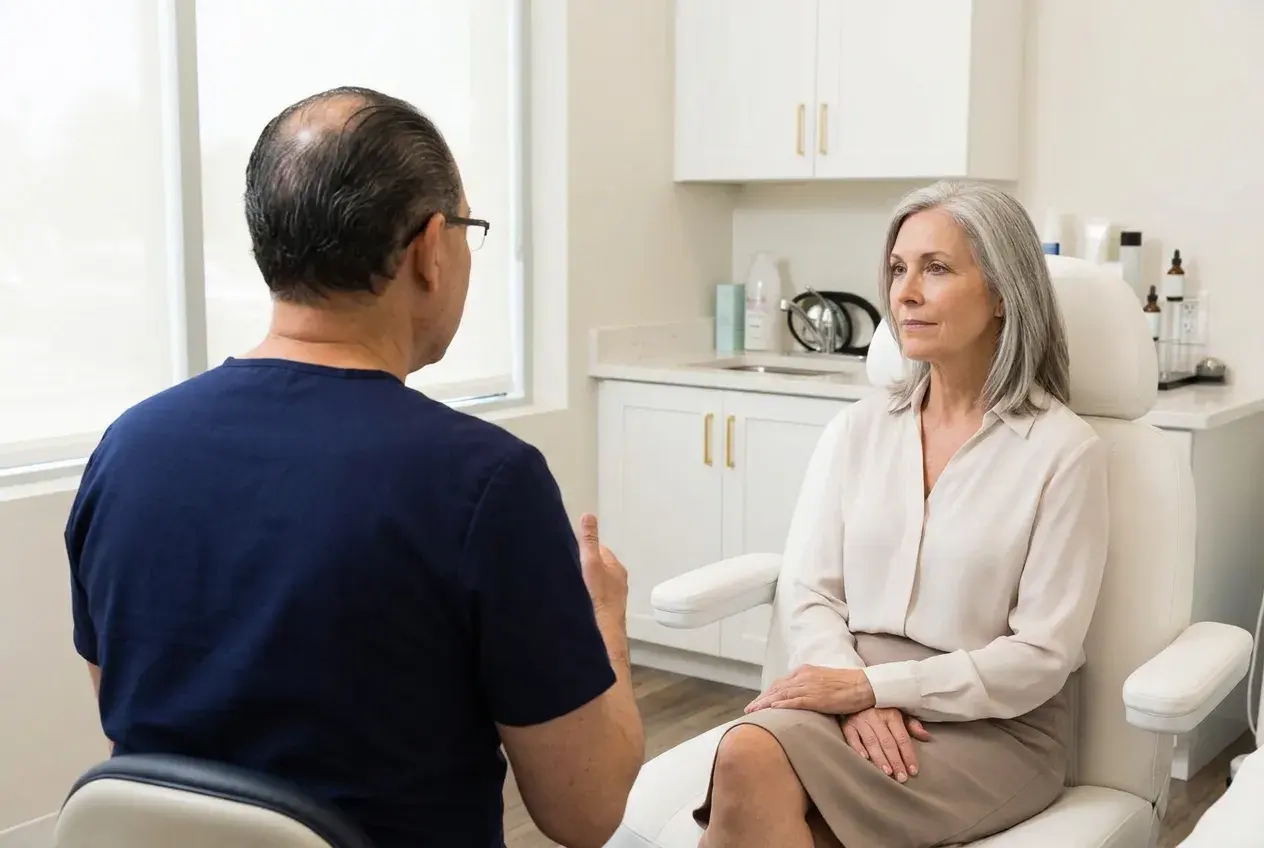
- You are told the risks before you consent, in plain language, and you can ask about them. Consent obtained without that is not consent.
- Smoking materially increases the risk of poor healing and wound complications for most procedures. It is the single largest modifiable risk factor, which is why you will be asked about it and asked to stop.
Take these to every clinic you visit
Seven questions worth asking any clinic
Is the person performing my procedure a surgeon, and can I verify their registration?
Will the person who assessed me be the person operating?
Where will the procedure take place, and is that facility accredited?
Who provides the anesthetic, and what are their qualifications?
What happens if there is a complication, and who manages it?
What are the risks specific to this procedure for me?
What happens if I am unhappy with the result?
A practice that answers all seven plainly is telling you something. So is one that does not.
Book a consultation →An assessment and a conversation.
You do not need to arrive knowing which procedure you want. Describing what bothers you is enough. You are not committing to surgery by booking a consultation.